Transforming Urban Landscapes into Living Laboratories
Reduce Food Miles—Locally grown produce and foods requires less transportation to arrive at the destination point, cutting emissions.
Reduce Urban Heat—Green spaces and plants help to reduce the island heat effect.
Biodiversity— Urban gardens provide habitat for pollinators like bees and butterflies, also aid in building a stronger ecosystem overall.
Revitalizes Vacant Land — Formerly unused or abandoned lots can be transformed into productive green spaces for food production.
Encourages Better Health— Organically grown foods in urban settings encourage individuals to take ownership in their overall health. Plant-based diets have been proven to promote healthier living, longevity of life, and reduction of many diseases common today.
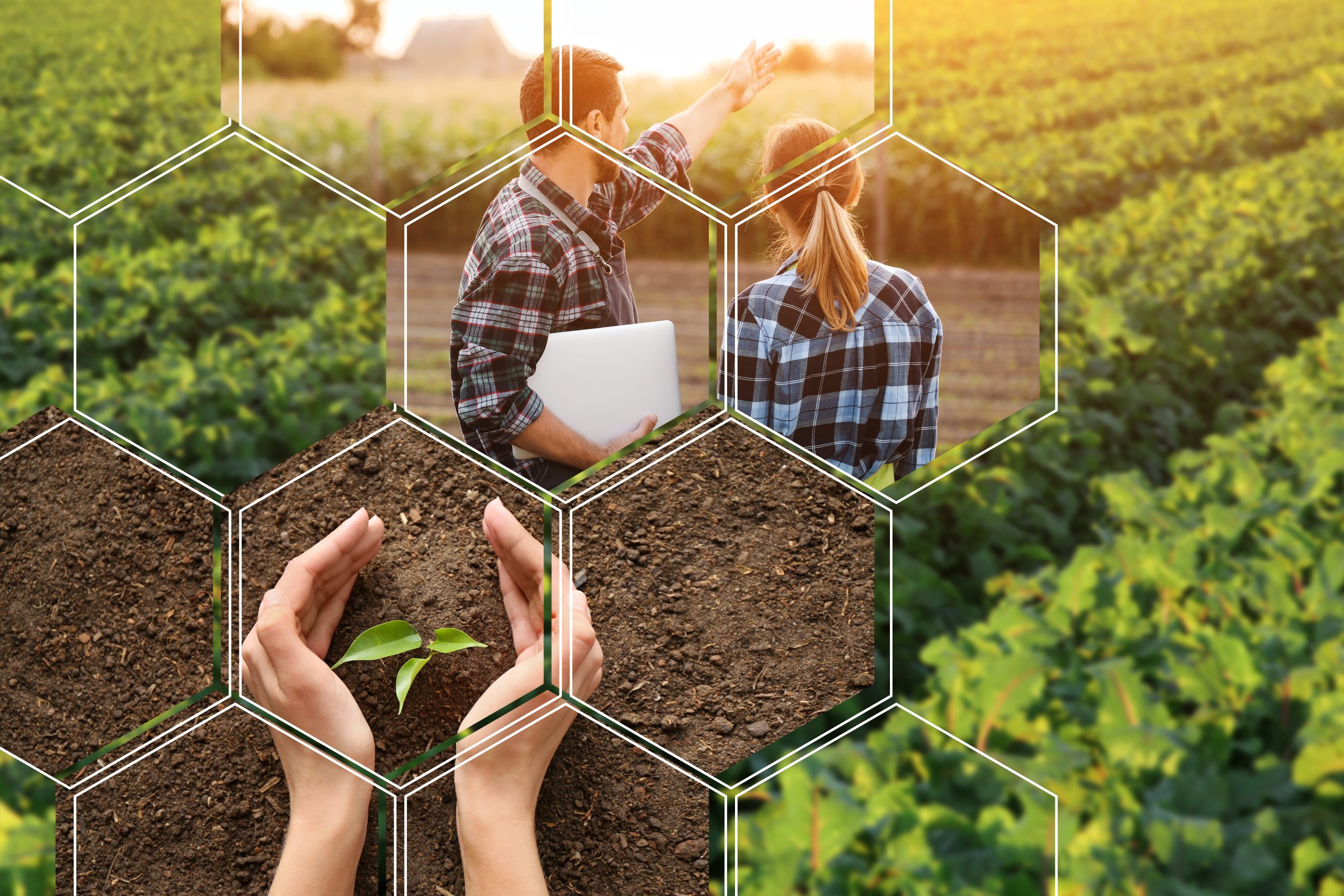
Our urban farming initiative creates an “educational corridor” within urban green spaces, featuring interactive living laboratories for visitors to learn growth techniques that can be used in their own backyards and gardens. Our sites provide local communities with fresh, nutritious produce and provide education in permaculture and agronomy sciences for all ages.
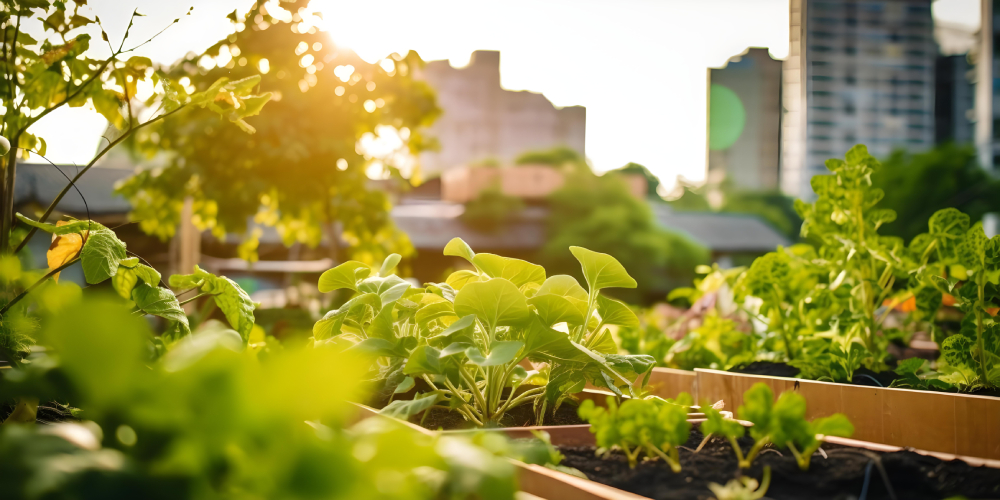
Urban agriculture—also called urban farming—involves growing plants and raising animals within and around cities to produce fresh, local food and create sustainable, educational environments.
Urban farms can clean the land, water, and air over time, create badly needed green space, reduce the “urban heat island” effect, and provide children with hands-on learning opportunities about sustainability and ecology.
Simple Steps to Get Involved:
Install a small raised garden filled with rich dirt and compost
Plant easy to grow vegetables (tomatoes, peppers, lettuce)
Consider a windowsill herb garden for basil, mint, parsley or chives
Create a compost area to turn kitchen scraps into rich garden soil
Plant fruit trees that produce for years once mature
We welcome organizations and community partners interested in collaborating with Econautics.
Dean Waterman, MBA
Executive Director
Dean earned his Masters in Business Administration from Trinity Theological where he emphasized nonprofit management. He has a Certificate in Strategic Leadership from the Jack Welch Management Institute. Dean brings his networking insight, management education and skill for strategic development to the role of Executive Director. He leads our fundraising initiatives and implements programs on-site at the Woodhaven urban agriculture hub. Dean grew up on a small farm and has a deep appreciation for the natural world and creating positive impacts on youth and students of all ages. Dean and his wife have a love of the outdoors, and believe in being stewards of the land others graciously protected in generations past.